
DPI is only half the picture
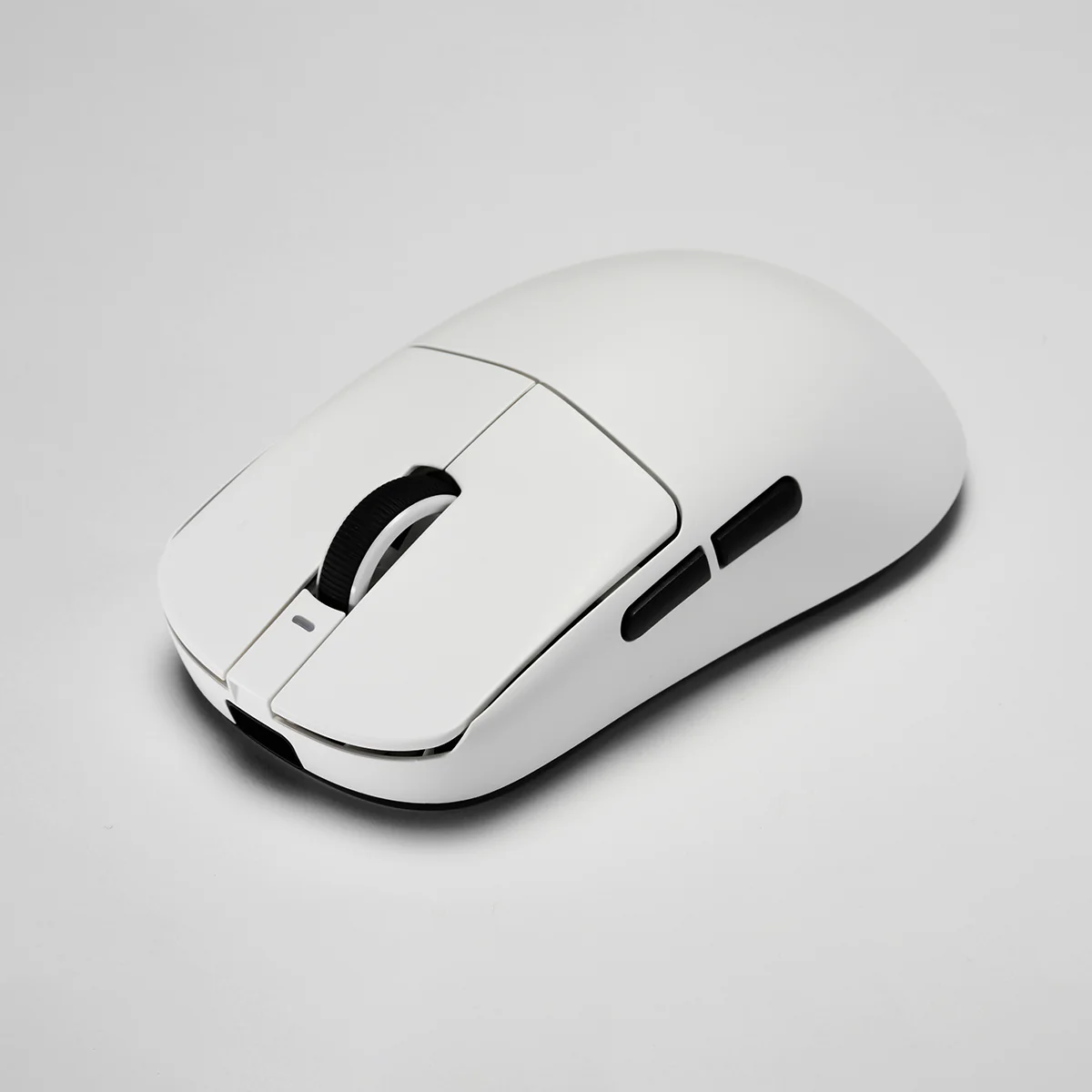
DPI, or dots per inch, is how many pixels the cursor moves per inch of mouse movement. The R1 series supports up to 26,000 DPI, but very few players actually use more than a fraction of that. What really matters is the combination of DPI and in-game sensitivity.
The math behind your aim
Your effective sensitivity is DPI multiplied by in-game sensitivity. A player at 400 DPI with a high in-game value can move exactly as far as a player at 1600 DPI with a low value. So raising DPI alone does nothing for accuracy unless you adjust the game setting too.
Why pros use lower DPI
Many professional players use 400 to 1600 DPI with low in-game sensitivity. This makes large sweeping arm movements cover less distance, which gives finer control for small corrections. Lower effective sensitivity means a tiny hand move does not overshoot your target.
- Find your mousepad space: more space means lower sensitivity works
- Start with 800 DPI and a neutral in-game setting
- Adjust down until you stop overshooting targets
- Adjust up if you cannot turn fast enough in close fights
- Keep the same effective sensitivity across games
- Use the polling rate to keep movement smooth, not DPI
High DPI is not wasted
A high DPI mouse still helps on very large or high resolution monitors, and some games handle high DPI better than high in-game sensitivity. The point is to tune both together instead of cranking DPI and leaving the game setting untouched.
A simple starting point
Set the mouse to 800 DPI, pick a mid-range in-game sensitivity, and play for a session. If you overshoot, lower the in-game value. If you cannot keep up in close combat, raise it. Within a few days your aim will settle into settings that feel natural, and no amount of extra DPI will improve on that.